
Review · MUSEUMS
The Olympic Museum Entrance Ticket in Lausanne
Olympic stories reach well beyond the medal podium. Lausanne’s Olympic Museum combines powerful athlete stories, hands-on displays, sports objects, and fine views over Lake Geneva, making it appealing even if you are not a serious sports fan. I especially like the three-floor layout and the green Olympic park, where sculptures lead you from the city toward the museum. The main consideration is time: the visit is priced for a short stop, but you may want far longer than the suggested one to two hours.
The ticket costs $26.63 per person and includes the permanent and temporary exhibitions, plus digital content. You can use a mobile ticket, and the experience is listed in English. There is no guide, food, drink, or transportation included, so you are paying for freedom to explore at your own pace rather than for a guided tour.
In This Review
- Key points to know before you go
- Why Lausanne is home to Olympic history
- Entering the Olympic park and starting the visit
- The first floor: Olympic ideals through human stories
- The second floor: objects that make the Games tangible
- The third floor: host cities, volunteers, and the wider Olympic event
- Interactive displays and family appeal
- How long to allow, and why the estimate can mislead
- Is the $26.63 ticket good value?
- The park, views, boutique, and restaurant
- Who should book this experience?
- Booking, cancellation, and practical details
- Should you book the Olympic Museum in Lausanne?
- FAQ
- Where is the Olympic Museum located?
- How much does admission cost?
- How long does the visit take?
- What does the ticket include?
- Is transportation included?
- Is a guided tour included?
- Is the museum wheelchair accessible?
- Are service animals allowed?
- Can children visit alone?
- Can I cancel for a full refund?
Key points to know before you go
- Three floors tell the Olympic story from several angles: Expect more than medal displays, with attention to athletes, host cities, volunteers, objects, and Olympic ideals.
- Interactive exhibits make the museum family-friendly: Children can engage with the subject instead of simply reading wall panels.
- The park is part of the visit: Sculptures and open green space connect the museum with Lausanne’s lakefront setting.
- You can see torches, uniforms, and sporting objects: These physical items give the Games a human and visual connection across different eras.
- The visit is self-paced and usually takes one to two hours: Allow extra time if you enjoy reading, interactive stations, or the gardens.
- Access is thoughtfully handled: The museum is wheelchair accessible, service animals are allowed, and children must be accompanied by an adult.
Why Lausanne is home to Olympic history
Lausanne is not simply a convenient Swiss city for this museum. It is the home of the International Olympic Committee, which gives the city a direct connection to the modern Olympic movement. The museum presents that connection through objects, stories, and design rather than through a dry institutional display.
The setting helps. The Olympic park occupies a green area between the city and the lake, with sculptures inspired by sport placed along the approach. That means your visit begins before you enter the building. You get a change of pace from Lausanne’s streets and a chance to look across the water before focusing on indoor exhibits.
I like this outdoor introduction because it gives the museum room to breathe. The Olympic Games are about physical movement, and the park reflects that better than a museum entrance tucked into a city block would. If the weather is pleasant, do not rush straight inside.
The location also gives you a useful Lausanne combination: culture, public space, and views in one stop. Food and drinks are not part of the admission, but a panoramic restaurant and boutique are available if you want to extend your visit.
More museums:
- Lucerne Swiss Museum of Transport Entrance Ticket
★ 4.0 · 206 reviews - Zurich Highlights City Tour with Optional FIFA Museum Ticket
★ 3.5 · 101 reviews - Tour in Lindt Home of Chocolate Museum From Zurich With pickup
★ 3.0 · 83 reviews
Entering the Olympic park and starting the visit
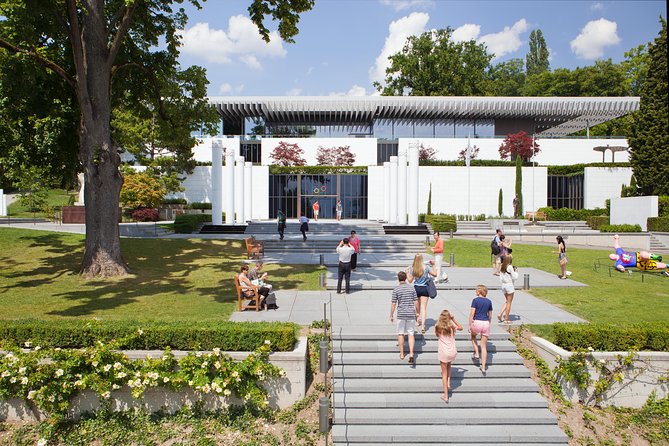
The arrival is part of the experience, not just a practical doorway. Sculptures inspired by sport guide you through the park and set up the themes you will see inside. The route leads toward an Olympic adventure arranged across three floors.
A mobile ticket keeps the entry process simple. Confirmation arrives at booking, and the attraction is near public transportation. Transportation to and from the museum is not included, so you will need to arrange that separately. Since the ticket is timed around a stated 9:00 am start time, check your booking details and plan enough time to reach the entrance without hurrying.
The museum welcomes visitors of all abilities and is wheelchair accessible. Service animals are allowed, and most people can take part. Children need to be accompanied by an adult, a sensible rule in a museum with interactive areas and several floors.
At the desk, ask about digital content and audio guides if you want extra help following the displays. Audio guides are free when available, but supplies can be limited. If one was requested in advance, it is worth confirming this at entry rather than assuming it has already been handed over.
The first floor: Olympic ideals through human stories
The museum’s strongest idea is that the Olympics are not only about the people who finish first. Exhibits use the life stories of major Olympic figures to show the effort, setbacks, discipline, and personal character behind public achievement.
That approach gives the museum more heart than a simple wall of champions. You can expect stories that connect Olympic values with ordinary human struggles. The message is not that everyone must become an elite athlete. It is that ambition, persistence, and the courage to push beyond limits are human qualities.
This floor helps explain why the museum can work for people who are not sports devotees. You do not need to know every Olympic record or recognize every champion. The displays offer a way into the subject through people and choices.
The presentation is self-paced, which is useful because different members of a family may want different levels of detail. You can move quickly through familiar material, then stop when a story catches your attention. The tradeoff is that no guide is there to point out the most important pieces or explain the connections in person.
If you prefer a carefully led historical tour, this ticket may feel a little loose. If you like choosing your own route and setting your own speed, it works well.
The second floor: objects that make the Games tangible
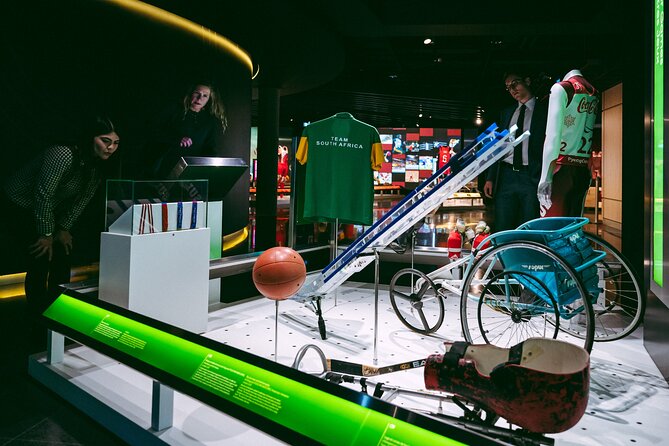
One of the most satisfying parts of the museum is its collection of physical Olympic objects. Torches, uniforms, and equipment bring the Games out of the abstract world of slogans and ceremony.
A torch is instantly recognizable, but seeing examples from different Games lets you notice how design changes with time and place. Uniforms do something similar. They show how each host city presents its own visual identity while still belonging to the larger Olympic tradition.
The section devoted to equipment adds another practical layer. It shows how sport depends on materials, design, and technical improvement, not only on physical talent. Even a visitor who is less interested in competitions may enjoy seeing how objects are made and how they reflect the era in which they were used.
The displays are also useful for children because objects are easier to understand than long explanations. A young visitor may not read every panel, but a torch, uniform, or piece of equipment creates an immediate point of interest.
One French-language comment praised the floor focused on equipment, while another visitor singled out the torches and uniforms. That matches the kind of museum experience many people want: enough written context to learn something, but plenty of visual material to keep the visit moving.
A few more trips and experiences worth a look
- Vine Stories: Lavaux & Lutry wine walk
★ 5.0 · 67 reviews - Riviera Col du Pillon & Glacier 3000 from Lausanne
★ 5.0 · 32 reviews - (KTL352) – Gruyeres Day Trip with Chocolate Factory from Lausanne
★ 4.0 · 17 reviews - Round trip cruise from Lausanne to Chillon
★ 3.5 · 15 reviews
The third floor: host cities, volunteers, and the wider Olympic event
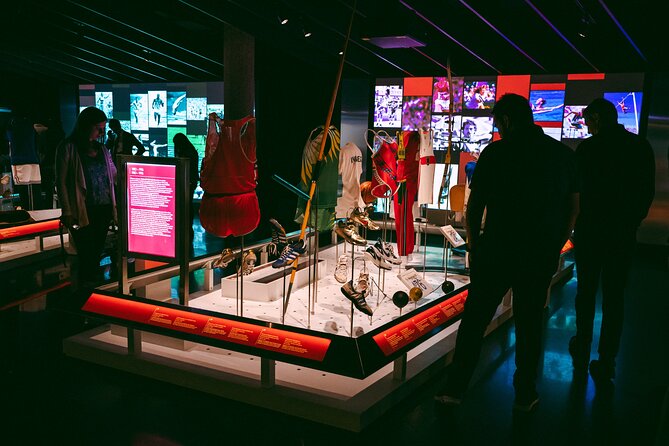
The Olympic Games are held in a different city each time, and the museum gives attention to that changing host-city identity. You can see how architecture, design, ceremony, and local culture shape the way each Games is presented.
This is important because the Olympics are not only a sporting contest. They are also a large public event involving organizers, designers, volunteers, and communities. The museum gives those behind-the-scenes roles a place in the story.
The volunteers are especially worth noticing. They help make the Games function, yet they are rarely the first people mentioned when major moments are remembered. Including them gives the museum a broader view of success.
You will also encounter famous Olympic moments and the energy surrounding champions. The displays aim to recreate the emotional pulse of competition without turning the whole visit into a shrine to winners. That balance is one reason the museum appeals to families and casual visitors.
The host-city material may be especially useful if you have watched the Olympics over many years. It gives visual context to events that can otherwise blur together on television. If you know little about the Games, it provides a clear way to understand why each edition feels different.
Interactive displays and family appeal
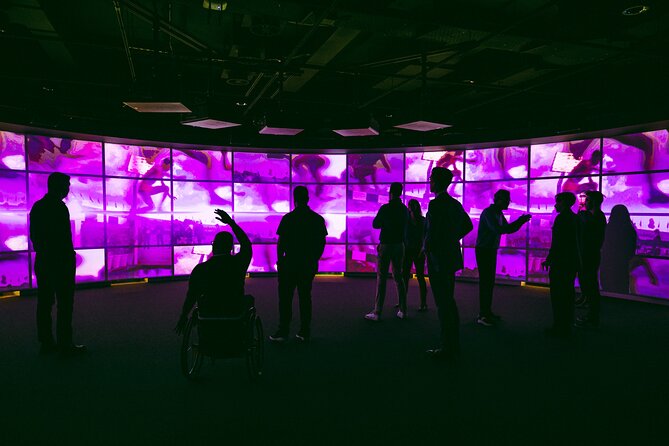
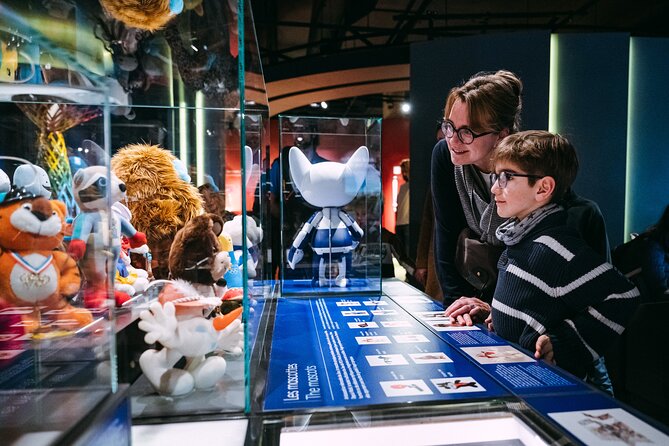
The museum is not built around reading alone. Interactive exhibits add movement and make the visit more playful. This matters in a museum about sport, where sitting silently in front of cases would feel a little wrong.
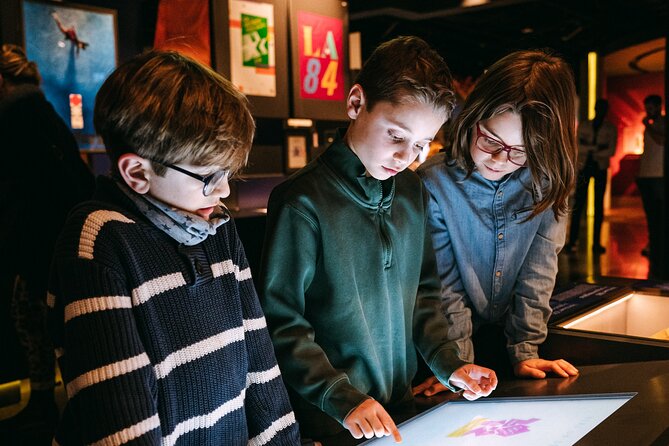
A family visiting with an eight-year-old found the direction of the visit easy to follow, and the interactive sections helped make the experience enjoyable for both children and adults. That is a useful clue for parents. The museum offers enough substance for grown-ups, while hands-on elements give younger visitors a reason to stay engaged.
Still, interactive displays are not a guarantee that every child will enjoy every minute. The subject remains educational, and some sections require attention to written information. If your child wants a full sports activity center, this is not that. It is a museum with playful elements.
I would plan the visit around your family’s pace rather than trying to cover every panel. One to two hours is a sensible starting point. Add time if your children enjoy testing the interactive features or if you want to read the stories closely.
How long to allow, and why the estimate can mislead
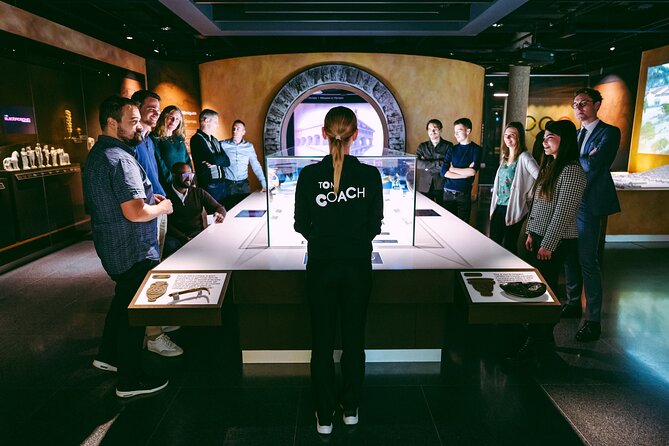
The official visit length is approximately one to two hours. That works for a focused visit, especially if you move steadily through the three floors and spend limited time with the digital content.
The museum can also absorb much more time. One enthusiastic response suggested that a visitor could spend days there, which is clearly more than most sightseeing schedules allow, but it points to the amount of material on display. Someone who enjoys Olympic history, design, sporting technology, or personal biographies may want to linger.
Here is a practical way to plan:
- Allow one hour for a quick overview.
- Allow two hours for a normal visit with interactive displays and reading.
- Add time for the park, sculptures, boutique, or panoramic restaurant.
The museum is therefore easy to fit into a Lausanne day, but it should not be treated as a rushed filler between other sights. The lake views and park make it pleasant to slow down.
Is the $26.63 ticket good value?
At $26.63 per person, the ticket is not a bargain-basement museum admission. Its value depends on how you use it.
For a one-hour visit focused only on the main displays, the price may feel high. You are not receiving transportation, a guided tour, or food. The admission covers the permanent and temporary exhibitions and digital content, so the strongest value comes from spending enough time with the material.
For a two-hour visit, the calculation looks better. You get three floors, interactive exhibits, Olympic objects, stories about athletes and volunteers, host-city displays, and access to the park setting. The museum also works for different interests in the same group. One person can focus on champions, another on design and equipment, and a child can spend more time at interactive stations.
The ticket is also useful when you do not want a fixed group schedule. With a self-paced admission, you can pause, skip, return to an exhibit, or end the visit when you are ready. That flexibility has real value during a busy Swiss itinerary.
The 92 percent recommendation rate and 4.6 rating from 211 ratings suggest that the experience delivers well for most people. The praise centers on the displays, interactive features, beautiful gardens, helpful staff, and the museum’s appeal beyond sport. One practical complaint involved audio guides not being ready at entry, so clarify that request at the desk.
The park, views, boutique, and restaurant
Do not judge the museum only by its indoor galleries. The Olympic park is a green space between Lausanne and the lake, and it gives you sculptures, open air, and a chance to enjoy the setting at a slower pace.
The views are one of the best reasons to avoid rushing out. The museum combines exhibits with a broad outlook toward the lake, creating a pleasant contrast between indoor information and outdoor calm. Even if a particular display is not your favorite, the setting gives the visit extra appeal.
The boutique offers a chance to browse Olympic-themed items after the exhibits. It is optional, of course, and purchases are not included in the ticket.
The panoramic restaurant provides another way to extend the stop. Food and drinks cost extra, but the option is useful if you are planning your day around the museum rather than treating it as a quick indoor attraction.
Who should book this experience?
I would recommend the museum most strongly to:
- Families looking for an educational stop with interactive features.
- Olympic fans who want more than televised competitions.
- Design enthusiasts interested in torches, uniforms, equipment, and host cities.
- Visitors who enjoy personal stories as much as famous achievements.
- Anyone seeking a museum with lake views and outdoor space.
- People who prefer self-paced visits rather than guided groups.
It is also a good choice for mixed-interest groups. You do not all need to care equally about sport. The human stories, visual design, technology, gardens, and views create several ways into the visit.
You may want to skip it if you have very little time in Lausanne and are not interested in museums, public events, or Olympic culture. The ticket does not include a guide or other attractions, and the admission may not feel worthwhile if you plan to stay only a few minutes.
Booking, cancellation, and practical details
The ticket is available as a mobile ticket, and confirmation is received when you book. It is usually booked about 21 days in advance, so reserving ahead is sensible if the museum is important to your schedule.
Free cancellation is available up to 24 hours before the experience start time for a full refund. Changes or cancellations made less than 24 hours before the local start time are not accepted for a refund.
The experience is listed as being offered in English. The group size is limited to a maximum of 10 people, though the museum visit itself is self-paced rather than a guided tour. Food, drinks, and transportation are separate costs.
Should you book the Olympic Museum in Lausanne?
Yes, if you want a well-designed museum that treats the Olympics as a human event rather than a list of winners. The three floors, interactive displays, torches, uniforms, equipment, athlete stories, volunteers, and host cities give you plenty to explore. The park and lake views add value that a standard indoor museum cannot provide.
I would book it as a two-hour stop, not as a quick one-hour obligation. Families, curious history fans, and visitors who enjoy design will likely get the most from the $26.63 admission. If you are unsure about sport, the museum is still worth considering because its strongest material is about people, effort, creativity, and the many hands behind the Games.
FAQ
Where is the Olympic Museum located?
The Olympic Museum is in Lausanne, Switzerland, in an Olympic park between the city and the lake.
How much does admission cost?
The ticket costs $26.63 per person.
How long does the visit take?
The approximate visit time is one to two hours.
What does the ticket include?
Admission includes access to the permanent and temporary exhibitions and use of digital content.
Is transportation included?
No. Transportation to and from the attraction is not included.
Is a guided tour included?
No. The ticket provides admission for a self-paced visit, not a guided tour.
Is the museum wheelchair accessible?
Yes. The museum is wheelchair accessible.
Are service animals allowed?
Yes. Service animals are allowed.
Can children visit alone?
No. Children must be accompanied by an adult.
Can I cancel for a full refund?
Yes. You can cancel at least 24 hours before the experience start time for a full refund.
Just added around Lausanne
- Explore Lausanne in 60 minutes with a Local★ 4.0 · 3 reviews
- Historic Lausanne: Exclusive Private Tour with a Local Expert★ 4.0 · 5 reviews
- (KTL303) – Winter Tour Montreux and Chaplin’s World from Lausanne★ 5.0 · 7 reviews
- Lausanne Foxtrail Citi★ 4.5 · 7 reviews
- Panoramic Wine Tour From Lausanne★ 5.0 · 8 reviews
- Explore Lausanne in 60 minutes with a Local★ 3.0 · 8 reviews
- (KTL364) – Small group tour Jungfrau and Interlaken from Lausanne★ 4.5 · 9 reviews
- (KTL361) – Interlaken day trip by bus from Lausanne★ 4.5 · 9 reviews
Museums, compared.
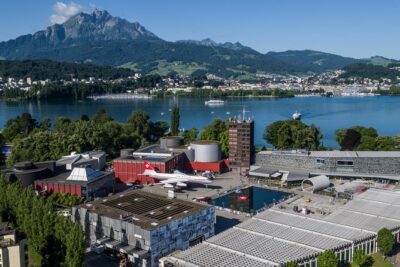
Lucerne Swiss Museum of Transport Entrance Ticket
Read our review →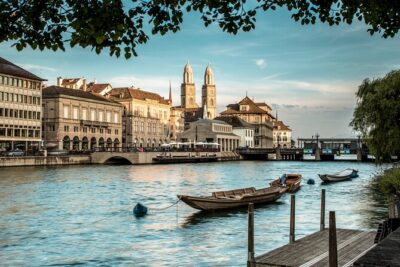
Zurich Highlights City Tour with Optional FIFA Museum Ticket
Read our review →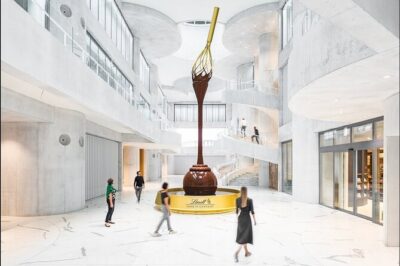
Tour in Lindt Home of Chocolate Museum From Zurich With pickup
Read our review →
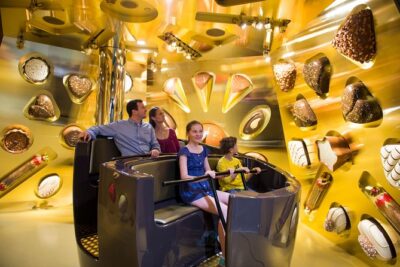
Swiss Chocolate Adventure at Swiss Museum of Transport in Lucerne
Read our review →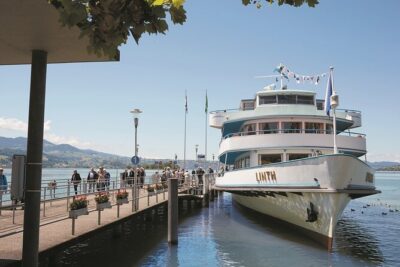
Zurich Highlights with Lake Cruise & Optional FIFA Museum Ticket
Read our review →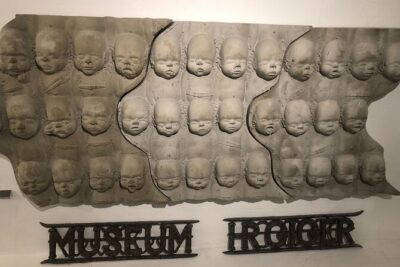
Art, Castle & Aliens: Gruyères Full-Day Tour to HR Giger Museum
Read our review →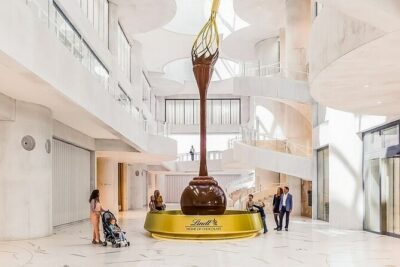
Lindt Home of Chocolate Museum Entry Ticket With Pickup Only
Read our review →Browse the lists this tour appears in