
Review · GENEVA TOURS
10 Days Riding Challenge Tour across Switzerland
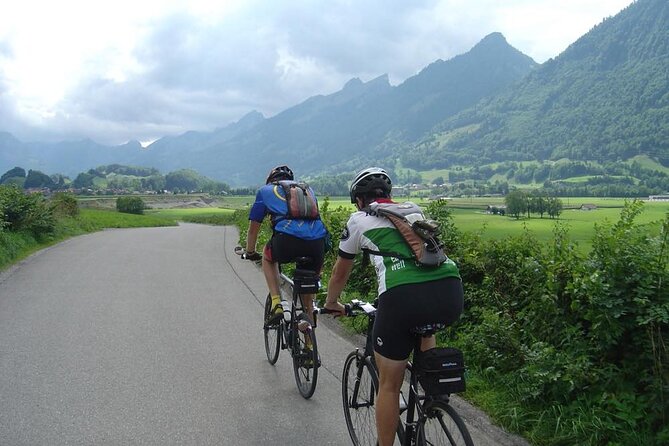
Switzerland was made for a bicycle crossing. This 10-day route takes you from Geneva to the eastern edge of the country, linking vineyard roads, medieval towns, alpine valleys, four lakes, Liechtenstein, Austria, and a final train ride through Bern. I like the flexible routing, since you can choose harder climbs or use trains and boats when needed. I also like the close look at places many visitors miss, including gravel paths near Zweisimmen and bike tunnels along Walensee.
The main caution is simple: this is a serious physical trip. You will ride for long days, climb mountain passes, and spend one full day hiking instead of cycling. At $4,696.30 per person, it is also a major purchase, and the non-refundable policy means you need to be certain before booking.
In This Review
- Five things to know before you book
- What this Swiss crossing is really like
- Day 1 in Geneva: get your bearings before the miles begin
- Day 2: Geneva vineyards, Rolle, Lausanne, and Lavaux
- Day 3: chocolate cake, Gruyère, and Gstaad
- Day 4: gravel valleys, Lake Thun, and the train to Wengen
- Day 5: a full alpine hiking day in Wengen
- Day 6: Lake Brienz, Brunig Pass, and Lake Lucerne
- Day 7: four lakes, four cantons, and Einsiedeln
- Day 8: Lake Zurich, Walensee, Liechtenstein, and Austria
- Day 9: easy riding toward Lake Constance
- Day 10: train through Bern and back to Geneva
- Bikes, navigation, support, and group size
- Is $4,696.30 a fair price?
- Who should book this tour?
- Final verdict: a demanding but unusually complete Swiss ride
- FAQ
- Where does the tour start?
- Where does the tour end?
- How long is the tour?
- How much does the tour cost?
- How many people can join the tour?
- Do I need strong physical fitness?
- Is there a rest day without cycling?
- Can I avoid difficult climbs?
- Does the route include travel outside Switzerland?
- Is the tour refundable?
Five things to know before you book
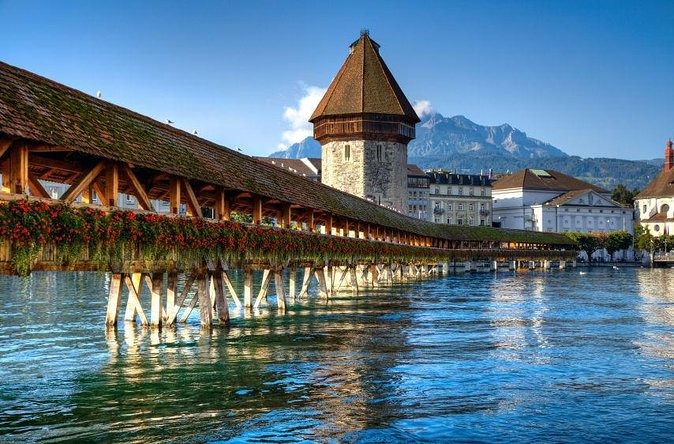
- Geneva to eastern Switzerland: You ride clear across the country, with the route following the train network for extra security.
- A genuine physical challenge: Expect steep climbs, long riding days, gravel paths, and a 400-meter ascent over Brunig Pass.
- Strong navigation support: The company provides bikes, GPS route information, written instructions, and an arrival orientation.
- More than a bike trip: The route includes wine tasting, Gruyère cheese country, alpine hiking, castles, monasteries, lakes, and a stop in Bern.
- Small-group feel: The maximum group size is 19 people, and solo riders can take part.
- Flexible backup plans: Trains and boats can shorten difficult sections if weather or tired legs get in the way.
What this Swiss crossing is really like
This is not a sightseeing tour with a short bicycle ride each afternoon. It is a point-to-point cycling challenge with sightseeing built into the route. You spend much of each day on the bike, then walk through old towns, ride trains into the mountains, or stop for local food and wine.
The route has a smart safety net. It follows Switzerland’s rail network, so you are rarely far from a train if you have a mechanical problem, bad weather, or simply need to cut a day short. That matters in Switzerland, where a beautiful route can also turn into a stiff climb without much warning.
The maximum group size is 19, but the setup also works for independent riders. You receive route information through Ride with GPS, written directions, and an orientation when you arrive. One rider specifically praised the bike fitting, including small practical touches such as a mirror and phone setup. Those details count when you are spending ten days in the saddle.
The start is at Rue des Grottes 22 in Geneva. The trip ends back there after the train ride from eastern Switzerland. The experience uses a mobile ticket, and confirmation is issued at booking.
A few more trips and experiences worth a look
- Award-Winning Geneva Chocolate &Old Town Tour with Boat Ride (3h)
★ 5.0 · 3,721 reviews - Chamonix & Mont Blanc Panoramic Sky-Glass Bus Guided Day Trip
★ 4.0 · 1,324 reviews - Annecy – Venice of the Alps – Tour from Geneva
★ 4.5 · 418 reviews
Day 1 in Geneva: get your bearings before the miles begin
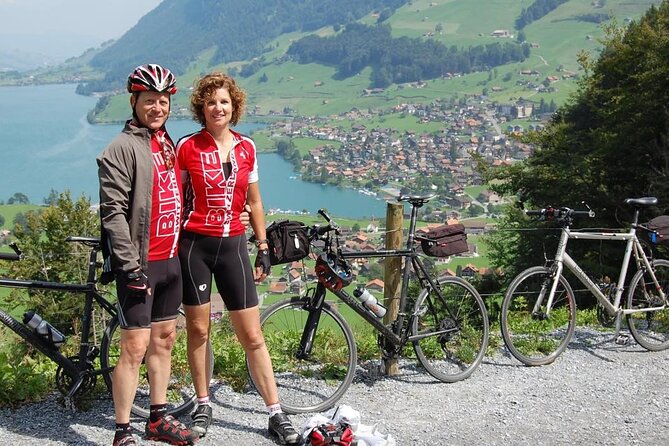
The first day is the arrival and orientation day. If your orientation falls on a Thursday or Saturday, you can consider joining a club ride through bikech.ch. That is a useful option if you want an easy way to meet other riders or test your legs before the main route begins.
Use this day to make sure the bike feels right. A long trip magnifies small problems, so pay attention to saddle position, mirrors, phone placement, and anything that rubs or rattles. The arrival briefing is an important part of the experience, not a formality to rush through.
Day 2: Geneva vineyards, Rolle, Lausanne, and Lavaux
Your first riding day eases you into Switzerland with small country roads and vineyard paths. The lakeside town of Rolle makes a pleasant picnic stop, giving you a chance to eat beside Lake Geneva before the route grows busier.
The ride then follows the Swiss Riviera. Villages along the way may have festivals, concerts, or sporting events, so leave room in your schedule for unplanned stops. This is one of the tour’s best ideas: you are not just collecting miles, you are passing through places where everyday Swiss life is happening.
In Lausanne, the route passes directly by the Olympic Museum. You can stop for the lakefront or visit the museum, but do not linger too long if you want to reach the later wine tasting comfortably.
The day ends with a climb through Lavaux, the celebrated wine region above Lake Geneva. At a local wine cellar, you taste regional white wines before continuing to Chexbres. The reward is a view over the lake and rows of grapevines below.
This opening day shows the trip’s basic rhythm: ride, stop for food or culture, climb, then settle into a small town with a memorable view.
Day 3: chocolate cake, Gruyère, and Gstaad
Day three gives you a choice right away. Strong riders can take steep back roads to Chatel St. Denis for coffee. If you prefer a more direct route, you can skip the extra challenge and meet the group there.
Order the dense chocolate cake if you need fuel. You still have about 50 kilometers ahead, and lunch comes in the medieval village of Gruyère. The town is an obvious highlight. You can tour the castle or visit the cheese museum before returning to your bike.
The route after Gruyère runs through broad valleys lined with large chalets. These buildings give the ride a strong sense of place, and the scenery changes from vineyards and lake shores to the high country of the Bernese Alps.
Gstaad provides a polished contrast. Its car-free streets make it easy to walk around and look toward the mountains. The town has long attracted famous summer residents, including Grace Kelly and Tina Turner, but you do not need a celebrity budget to appreciate its setting.
The drawback is the mileage after the morning stop. Gruyère is the sort of place where you may want to linger, so keep an eye on the clock.
Something different, still within reach of Geneva:
- Best of Geneva City Tour with optional boat cruise
★ 4.0 · 416 reviews - Geneva Highlights 2-Hour Introductory Tour
★ 4.0 · 322 reviews - Chamonix Mont-Blanc Full Day Guided Tour
★ 5.0 · 314 reviews - Chamonix & Mont Blanc Guided Day Trip with SkyView Panoramic bus
★ 4.5 · 310 reviews
Day 4: gravel valleys, Lake Thun, and the train to Wengen
You begin with a short, steep climb out of town, followed by a long descent into Zweisimmen. From there, the route moves onto compact gravel paths through pastures and stream valleys.
This is one of the most rewarding parts of the trip for riders who want to see rural Switzerland away from the main tourist roads. You can stop to look at the cows and family chalets, and the traffic-free setting gives you time to notice small details.
Later, you ride along Lake Thun before reaching Interlaken. Here the bicycles take a break. You board a cogwheel train for a 45-minute ride that climbs 4,265 feet to Wengen.
Wengen is car-free, which changes the mood immediately. There are no horns or road noise to compete with the mountain setting. The area is part of a UNESCO World Heritage site, and the evening is best spent resting rather than trying to squeeze in another activity.
The train transfer is also a practical reminder that this tour is not strictly about pedaling every mile. Switzerland’s rail system becomes part of the route.
Day 5: a full alpine hiking day in Wengen
Day five has no bicycle riding. Instead, you use your legs on mountain paths, with gondola lifts carrying you higher when needed.
The plan calls for a hearty breakfast, then a day among alpine pastures and grazing herds. You may bend down to pick wild edelweiss and walk trails with broad mountain views. The wording of the itinerary is playful, but the rest day is useful. After several hard riding days, a change of movement can help your body recover.
Still, do not mistake this for a lazy day. Hiking can leave your knees and feet tired in a different way, especially after the climb into Wengen. Bring comfortable walking footwear and treat the day as active recovery.
Day 6: Lake Brienz, Brunig Pass, and Lake Lucerne
You start by riding along Lake Brienz, then cross the flatter country near Meiringen before reaching Brunig Pass. The main climb rises 400 meters over 5 kilometers, so this is one of the clearest tests of fitness on the route.
If the weather turns poor or the climb feels beyond your limits, the team can arrange alternatives using the boat from Interlaken and connecting trains. Everyone meets for lunch at Lungern, so taking the easier option does not mean missing the group’s main stop.
The afternoon is gentler, with flat paths leading through Sarnen. Stop in the market square for a beer if your schedule allows, but remember that another 30 kilometers remain.
The route then reaches Lake Lucerne. The supplied itinerary cuts off during this section, so exact evening details are not available. The larger point is clear: this day combines one demanding mountain effort with a long, scenic run through central Switzerland. You need enough energy for both.
Day 7: four lakes, four cantons, and Einsiedeln
This is a varied day with a strong mix of nature and culture. You begin outside Lucerne on hard dirt paths beside the River Reuss, then continue to Zug, Switzerland’s smallest and richest canton.
A lakeside picnic and a walk through Zug’s medieval old town break up the riding. After that, the route climbs toward the Rothenthurm high marshlands, a well-known nature preserve with peat-covered cabins and wet rolling fields.
The final major stop is Einsiedeln monastery. The road into the high country can be demanding, but the views reward riders who still have energy in reserve. Narrow, well-maintained bike paths take you into areas that many people never see from a car or train.
The day finishes with a long coast, according to the itinerary, though the detailed description is truncated. Plan for a full day and save some strength for the climb after Zug.
Day 8: Lake Zurich, Walensee, Liechtenstein, and Austria
The morning is friendly to tired legs. For the first 20 kilometers, you follow groomed, car-free paths along Lake Zurich, and the riding is flat. You can look south toward the Glarus Alps and north toward the Appenzell highlands without having to fight a major climb.
After the lake, another 20 kilometers brings you to Walensee. Here the scenery becomes more dramatic, with 1,500-meter cliffs rising above the water. The route uses a series of bike tunnels with large openings that frame the lake and limestone cliffs.
A swim in the lake and a picnic provide a well-timed break. Afterward, you meet the Rhine and follow it north. The route crosses into Liechtenstein and then Austria, where you spend the night in a medieval city. The exact city name is cut off in the supplied itinerary, so confirm that detail before departure if it matters to your planning.
This day is a good example of the trip’s range. You begin beside a major Swiss lake, pass beneath cliffs, cross two international borders, and finish outside Switzerland.
Day 9: easy riding toward Lake Constance
The final cycling day is the easiest. You follow rivers, canals, farms, and open fields, reaching Widnau for lunch.
After lunch, you choose between a difficult climb to Heiden, high above Lake Constance, or the low route to Romanshorn. The Heiden option gives you a stronger final challenge and a high view. Romanshorn is the sensible choice if you want to finish gently and enjoy the lake.
You can arrive early for a lakeside stroll and swim, or use the extra time to explore villages and shops. After the hard middle days, this relaxed finish gives you space to enjoy the end rather than simply endure it.
Day 10: train through Bern and back to Geneva
After a late breakfast, you say goodbye to the bike and board the train for the roughly five-hour trip back to Geneva.
The journey includes a stop in Bern, Switzerland’s capital. Lunch, sightseeing, and shopping are on your own, which gives you freedom but also means you need to manage your time carefully.
The final evening returns you to Lake Geneva and the neighborhood around the bike shop. If the weather cooperates, you can finish with a lakeside drink and meal. It is a fitting close: the same water that greeted you at the start frames the end of your crossing.
Bikes, navigation, support, and group size
The strongest practical praise centers on preparation. The route is supplied through Ride with GPS, and written instructions supplement the digital navigation. The orientation helps you understand the bike and the route before the real mileage begins.
Bike fitting has also been handled carefully, with equipment adjustments such as a mirror and phone holder available in at least one rider’s setup. Several trips with the company received praise for bikes in excellent condition, helpful staff, luggage handling, hotels, and food.
You should still be comfortable managing a long day on two wheels. The support system reduces risk, but it does not remove the need for fitness, basic awareness, and sensible pacing.
The maximum group size is 19. That is large enough for company but small enough to avoid the feel of a huge coach tour. The route can also suit solo riders. One solo rider shortened the trip to fit other plans and still found it a complete experience.
Is $4,696.30 a fair price?
At $4,696.30 per person, this is expensive. You are not buying a cheap bike rental and a stack of self-guided maps.
The value comes from the scale of the route and the planning behind it: ten days across multiple regions, route guidance, bike preparation, orientation, train and boat backup options, luggage support praised by past riders, and accommodation and meals that received strong marks. The trip also places you in small towns, rural valleys, and car-free alpine villages that would take considerable work to connect on your own.
I would compare the price with the cost of arranging hotels, bike transport, route research, navigation, and emergency alternatives independently. If you already own a strong touring bike and enjoy handling every detail, you may find the premium hard to justify. If you want a carefully prepared Swiss crossing without spending months planning it, the price becomes easier to defend.
The non-refundable booking rule changes the calculation. Do not book until your dates, fitness, and ability to commit are firm.
Who should book this tour?
You should consider it if you:
- Enjoy cycling for several hours a day
- Want both famous Swiss sights and quieter rural roads
- Like having a hard route with easier alternatives
- Are comfortable with gravel paths and mountain climbs
- Want a small-group setting but may ride independently
- Appreciate detailed GPS and written route support
- Can commit to a non-refundable booking
This is not the right choice if you want a relaxed vacation with short rides, if steep climbs worry you, or if you dislike changing hotels and locations throughout a trip.
Final verdict: a demanding but unusually complete Swiss ride
I like this tour because it gives you a real sense of Switzerland’s variety. You move from vineyards to dairy country, from alpine hiking trails to lake paths, from medieval towns to international borders.
The best parts are the flexible route choices, the train network safety net, and the less-touristed riding near Zweisimmen, Rothenthurm, and Walensee. The biggest drawbacks are the high price, demanding fitness level, and strict cancellation terms.
If you want an active, carefully organized crossing and can handle the mileage, this is a strong choice. Book it for the cycling and the scenery, but also for the chance to see Switzerland at ground level, one valley, lake, and village at a time.
FAQ
Where does the tour start?
It starts at Rue des Grottes 22, 1201 Genève, Switzerland.
Where does the tour end?
The activity ends back at the meeting point in Geneva.
How long is the tour?
The tour lasts approximately 10 days.
How much does the tour cost?
The listed price is $4,696.30 per person.
How many people can join the tour?
The maximum group size is 19 people.
Do I need strong physical fitness?
Yes. Riders should have a strong physical fitness level because the route includes long riding days, steep climbs, gravel paths, and Brunig Pass.
Is there a rest day without cycling?
Yes. Day five is a hiking day in Wengen, with no bikes.
Can I avoid difficult climbs?
Some alternatives are available. At Brunig Pass, boats and trains can be used if the weather is bad or you are not up to the climb. Other route sections also offer more direct options.
Does the route include travel outside Switzerland?
Yes. On day eight, the route crosses into Liechtenstein and then Austria.
Is the tour refundable?
No. The experience is non-refundable and cannot be changed for any reason.
Just added around Geneva
- Private Photo Tour LUXE CUSTOM in Geneva★ 4.5 · 3 reviews
- Alpine Tour Across Switzerland★ 5.0 · 3 reviews
- Geneva Countryside By E-Bike With Wine Tasting★ 4.0 · 4 reviews
- Private Transfer from Geneva City to Geneva Airport★ 5.0 · 4 reviews
- Lake Annecy Private Day Trip from Geneva★ 4.0 · 4 reviews
- Explore the Instaworthy Spots of Geneva with a Local★ 4.0 · 4 reviews
- Private Tour to Glacier 3000 – High level experience -from Geneva★ 5.0 · 4 reviews
- Private Tour : The best of Geneva city tour★ 5.0 · 4 reviews
Geneva Tours, compared.

Award-Winning Geneva Chocolate &Old Town Tour with Boat Ride (3h)
Read our review →
Chamonix & Mont Blanc Panoramic Sky-Glass Bus Guided Day Trip
Read our review →
Best of Geneva City Tour with optional boat cruise
Read our review →
Chamonix & Mont Blanc Guided Day Trip with SkyView Panoramic bus
Read our review →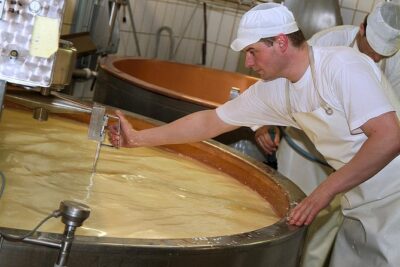
Gruyères Tour from Geneva With Train, Chocolate and Cheese
Read our review →Browse the lists this tour appears in