
Review · JUNGFRAUJOCH & TOP OF EUROPE TOURS
Jungfrau Travel Pass 3-8 days
Mountains are only half the fun. The Jungfrau Travel Pass lets you build your own Alpine days by train, boat, bus, gondola, and mountain railway across Interlaken, Grindelwald, Lauterbrunnen, and beyond. I like the freedom to change plans on the spot, and I like how the pass turns a complicated web of transport into one simple ticket. The main catch is that several famous rides, including the final route to Jungfraujoch, require an extra payment.
I also like the time saved at ticket counters, especially when you are hopping from a train to a gondola or boat. A second consideration is the weather: a three-day pass can lose much of its value if two days disappear into rain, snow, or cloud, since the pass cannot simply be paused and restarted.
In This Review
- Key points to know before buying
- What the Jungfrau Travel Pass actually does
- Getting around Interlaken and the Bernese Oberland
- Jungfrau and the route toward Top of Europe
- Schynige Platte for a slower mountain day
- First and Grindelwald: the most flexible outing
- Harder Kulm, Männlichen, and other included possibilities
- Are lake boats included?
- Working out the $260.88 price
- Weather, seasons, and the risk of bad timing
- Mobile ticket, voucher, and practical use
- Who should buy the pass?
- Should you book the Jungfrau Travel Pass?
- FAQ
- How many days is the Jungfrau Travel Pass valid?
- What transport is included?
- Is Jungfraujoch Top of Europe fully included?
- Are food, drinks, and a guide included?
- Can I use the pass on my phone?
- Can I cancel for a full refund?
Key points to know before buying
- Choose from 3 to 8 consecutive days: The pass works best when you expect to make several journeys every day.
- Use several types of transport: Trains, buses, gondolas, mountain railways, and selected boat services connect the Bernese Oberland.
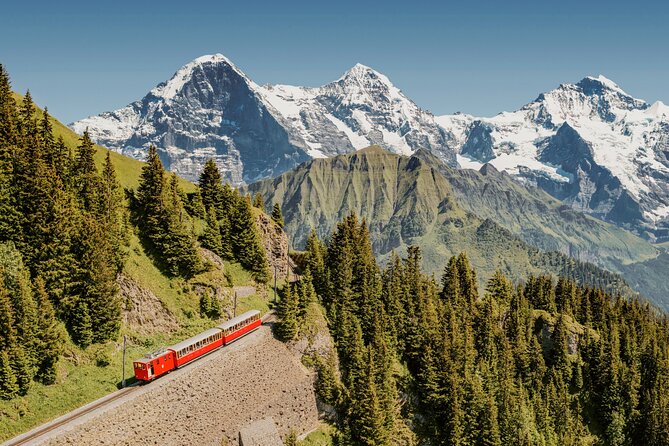
- Reach major mountain bases: Routes cover Interlaken, Grindelwald, Lauterbrunnen, Kleine Scheidegg, Harder Kulm, First, Schynige Platte, and other nearby areas.
- Männlichen travel is included: This is a useful bonus for walkers and anyone seeking broad views beneath the Eiger, Mönch, and Jungfrau.
- Jungfraujoch is not fully covered: You need a separate connection ticket from Eigergletscher to the Top of Europe station, available locally at a reduced price.
- Plan around opening dates: Some mountain railways close in winter, and several may not open until late May.
What the Jungfrau Travel Pass actually does
Think of this as a regional transport pass, not a guided mountain tour. You receive an unlimited-use pass for selected transport lines and then set your own schedule. There is no guide, meal service, hotel pickup, or fixed group itinerary.
That freedom is the heart of the product. You might spend a clear morning at First, ride down to Grindelwald for lunch, then take a train toward Lauterbrunnen in the afternoon. On another day, you can skip the high peaks and use the railways simply to reach a hiking trailhead.
The pass covers three, four, five, six, seven, or eight days. The days are consecutive, so choose your start date carefully. You cannot hold the pass for a rainy day and restart it later. That rule matters in the Jungfrau region, where cloud can erase the view from a summit in minutes.
At about $260.88 per person, the pass is not a casual purchase. It earns its keep when you use several covered routes each day. If you plan one mountain trip, spend the rest of your time walking, and remain mostly in one town, separate tickets may cost less.
More Jungfraujoch trips from Interlaken:
- Jungfraujoch Top of Europe Day Trip from Interlaken
★ 4.5 · 518 reviews - From Interlaken: Jungfraujoch Top of Europe Ticket
★ 4.0 · 251 reviews - Jungfraujoch Top of Europe Private Day Trip from Interlaken
★ 4.5 · 18 reviews
Getting around Interlaken and the Bernese Oberland
The pass is designed for a region where transport is part of the experience. You can move between Interlaken, Grindelwald, Lauterbrunnen, Kleine Scheidegg, and other Alpine points by a mix of trains, buses, gondolas, and selected boats.
That mix saves more than money. It saves the irritation of stopping at a ticket machine every time you change direction. With the pass ready, you can make a last-minute decision based on the clouds, your energy, or the next train.
It is especially useful for a hiking holiday. You can ride uphill to a trailhead, walk for a few hours, then return by a different route. It also helps on wet days, when a boat ride or a scenic railway can replace an outdoor hike.
Do read the current route map before you travel. The phrase unlimited can sound broader than it is. The pass applies to selected lines, not every cable car and mountain railway in the entire region.
Jungfrau and the route toward Top of Europe
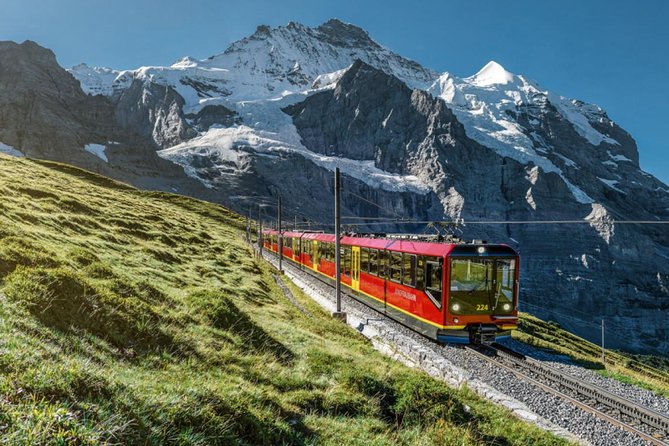
The Jungfrau area is the dramatic centerpiece of a stay here. The high peaks of the Eiger, Mönch, and Jungfrau dominate the views, while steep valleys and Alpine slopes spread below.
The pass gives you access to much of the route network leading into the mountains. It does not cover the final connection from Eigergletscher to Jungfraujoch Top of Europe station. You can buy that final ticket locally at a reduced price as a pass holder.
This distinction is easy to miss and important for your budget. If Jungfraujoch is your main reason for coming, calculate the extra connection before buying the pass. The pass may still help with the surrounding transport, but it is not an all-inclusive ticket to the summit station.
The listed stop allows about one hour at Jungfrau, though your wider journey can take much longer depending on connections and how much time you spend at the mountain stops. Treat the one-hour figure as a short visit, not a full day plan.
Cloud and snow also matter here. In poor weather, you may see little more than whiteness from the upper sections. I would keep your most important high-mountain visit flexible within your pass period, but remember that the pass itself cannot be paused.
Schynige Platte for a slower mountain day
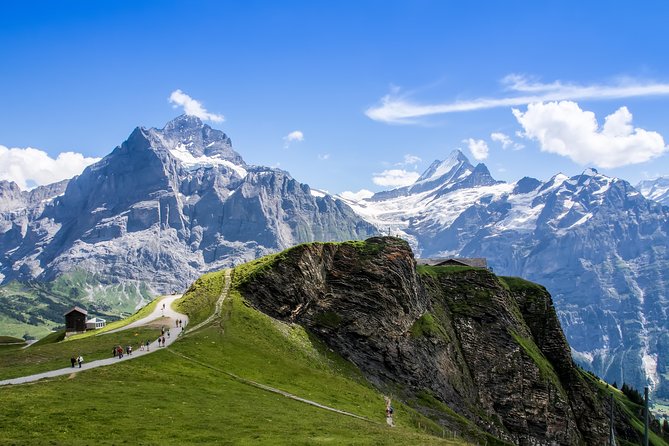
Schynige Platte offers a different kind of outing from the high railway route toward Jungfrau. The trip is part of the pleasure, and the stop works well for a half-day or longer break from the busier connections between the major towns.
The suggested time here is about one hour, but that feels like a minimum. If you are using the pass for hiking, Schynige Platte makes more sense as a place to stretch your legs and follow a trail rather than simply arrive, take a photo, and leave.
The pass includes admission for the listed Schynige Platte stop. Even so, check operating dates before setting your entire schedule around it. Mountain railways in the region can be closed during winter, and some do not open until late May.
This is one reason a longer pass can be useful. With six or more days, you have a better chance of finding a clear day for each mountain route. With only three days, a closure or bad forecast can affect a large part of your plan.
A few more trips and experiences worth a look
- Tandem Paragliding Experience from Interlaken
★ 5.0 · 1,655 reviews - Kayak Tour of the Turquoise Lake Brienz
★ 5.0 · 566 reviews - Mürren: Paragliding over the Lauterbrunnen Valley
★ 5.0 · 522 reviews - Winter Kayak Tour of the Turquoise Lake Brienz
★ 5.0 · 439 reviews
First and Grindelwald: the most flexible outing
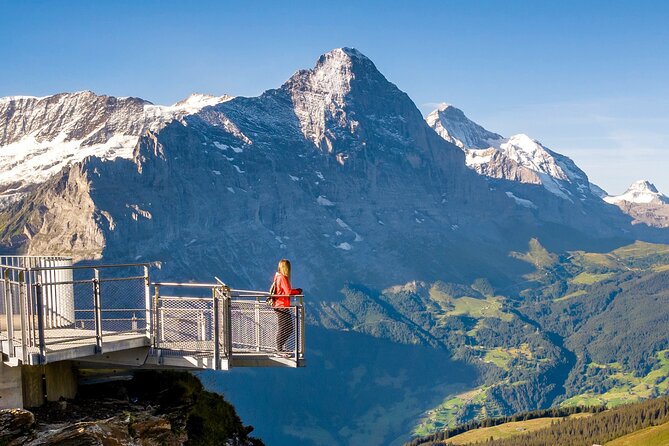
First, reached by the Firstbahn from Grindelwald, is a strong choice if you want a simple mountain outing with room for your own pace. The suggested stop lasts about two hours, and the pass provides free admission for the listed Firstbahn experience.
I like this section for its flexibility. You can treat it as a short scenic ride, spend time around Mount First, or use it as the start of a hiking day. The pass removes the pressure to squeeze every minute from the ticket because you are not buying a costly single return journey each time.
Grindelwald is also a practical base for combining different parts of the region. You can arrive by train, ride upward by gondola, and later return to town before continuing toward another destination. That kind of multi-stop day is where the pass feels most useful.
You should still check which specific sections are included. One of the common points of confusion is that nearby mountain transport does not always follow the same coverage rules. Pfingstegg and sections associated with Schilthorn, including Allmendhubel to Mürren, may require separate payment.
Harder Kulm, Männlichen, and other included possibilities
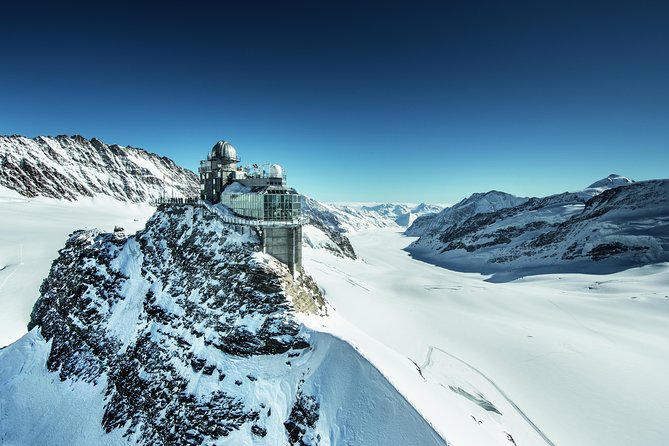
Harder Kulm gives you an easy way to reach a mountain viewpoint from the Interlaken area. It suits a shorter outing, especially if you are staying nearby and do not want to spend a full day on a distant Alpine route.
Männlichen is another useful benefit because travel there is free with the Jungfrau Travel Pass. For walkers, this can be more valuable than a single viewpoint visit. You can use the ride to reach a higher starting point, then spend your time on foot rather than paying for each uphill connection.
The pass also reaches Kleine Scheidegg and other mountain transport lines around the Jungfrau region. These places connect several of the area’s best hiking routes and give you a practical way to move between valleys and high points.
Do not assume the pass covers every famous summit nearby. Schilthorn is a good example. Extra payment may be needed for the ride up, and some lower sections may not be included either. The same caution applies to smaller cable cars. Check each line before boarding if the route is not clearly shown as included.
Are lake boats included?
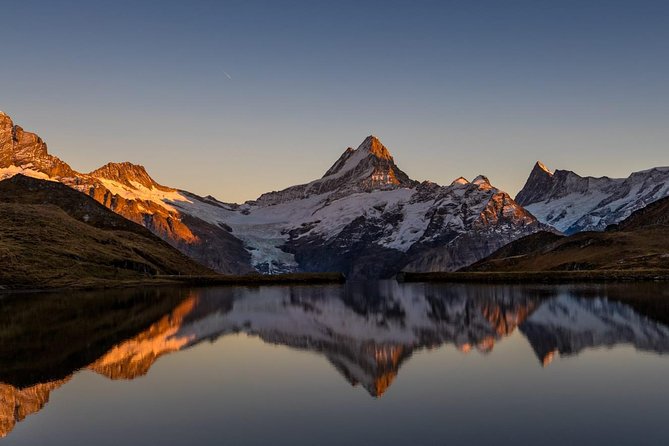
Boat travel is part of the appeal of the area, but coverage depends on the pass length. The available information indicates that boat rides on the lakes are not covered with the three- and four-day passes, while five-day or longer options may include them.
That difference can change the value calculation. If you want to add lake cruises to your plan, compare the five-day price with the cost of separate boat tickets. Do not assume a three-day pass provides the same boat benefit as a five-day pass.
Boats are also a useful backup in poor weather. A wet day does not have to mean a wasted pass if you can use covered transport or a lake route instead of a mountain trail. Still, the boat rules are worth confirming at the time of purchase because transport coverage can change.
Working out the $260.88 price
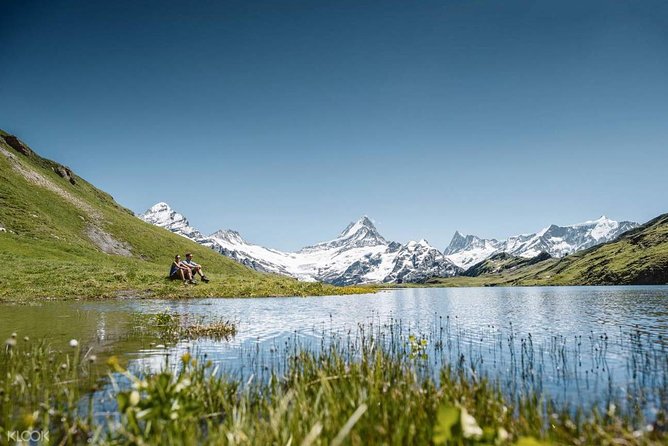
At $260.88 per person, the pass costs roughly $87 per day on a three-day plan. The daily average drops as you choose a longer duration, but the longer option only makes sense if you will actually travel on those extra days.
I would work out your likely routes before paying. Add the prices of the train journeys, gondola rides, mountain railways, and boat trips you expect to use. Then compare that total with the pass price.
The best value comes from active schedules:
- A morning train to one mountain area
- A gondola or railway to a trailhead
- A return journey to town
- A second ride to another valley or viewpoint
- A boat or extra rail journey on five-day or longer passes
The pass also saves time. You can move from train to train, boat to gondola, without stopping to buy a new ticket at each stage. That convenience has real value in a short holiday.
The poor-value scenario is simple: you make one expensive mountain trip, then spend the rest of your days walking near your hotel. In that case, the pass may feel costly. It is a transport tool for active sightseeing, not a discount automatically worth buying for every itinerary.
Weather, seasons, and the risk of bad timing
Weather is the biggest uncertainty in this purchase. High mountain routes can be spectacular in clear conditions and nearly pointless when heavy rain, snow, or cloud hides the peaks.
A three-day pass gives you less room to recover from bad weather. If two of those days are poor, you still pay for the full period and cannot postpone the unused day. A six-day pass gives you more chances to use the included lines, though it also requires a longer stay.
Seasonal opening dates matter just as much. Some railways close during winter, and others may not reopen until late May. Before choosing a pass, check that the routes you care about operate during your visit.
I would also avoid building every day around one summit. Create a mix of high mountain rides, lower valley towns, lake transport, and walks. That way, you still have a useful plan if the upper stations disappear into cloud.
Mobile ticket, voucher, and practical use
The experience is sold with a mobile ticket, but there is an important practical wrinkle. A digital voucher may not always be enough for onboard inspection. One conductor reportedly expected the voucher to be exchanged for an official rail pass at a railway office in the Jungfrau region.
To avoid an awkward conversation, bring a printed copy of your voucher and ask at a rail office how the pass should be activated or exchanged. The supplied information says confirmation arrives at booking, so keep that confirmation available as well.
The pass is intended for independent use. There is no guide, and food and drinks are not included. Hotel pickup and drop-off are also not part of the service, so you need to reach the public transport network yourself.
Most people can participate, and service animals are allowed. The area is near public transportation, which makes the pass practical for anyone already staying in Interlaken, Grindelwald, Lauterbrunnen, or nearby towns.
Who should buy the pass?
I would recommend it to you if you plan to hike, change towns, ride several mountain lines, and make the most of three or more full days. It is particularly appealing if you enjoy deciding your route each morning instead of committing to one prebooked excursion.
It also suits people who dislike repeated ticket purchases. You can focus on the next train or trail rather than calculating every short journey.
I would be more cautious if your plan centers on Jungfraujoch alone. The final connection is extra, and the pass does not automatically cover every major attraction in the surrounding mountains. It is also a weak choice for a slow holiday based mostly in one village.
The overall rating sits at 3.9 out of 5 from 55 ratings, which fits the product well. The pass can be excellent value and wonderfully convenient, but its worth depends on route coverage, weather, season, and how often you ride.
Cancellation is free when you cancel at least 24 hours before the experience start time. Cancellations within 24 hours are not refunded, and changes made inside that window are not accepted.
Should you book the Jungfrau Travel Pass?
Book it if you will use the region as a transport network rather than visit one mountain and stop. A well-planned four- to six-day itinerary can make the $260.88 price worthwhile, especially when you combine trains, gondolas, hiking access, and eligible boat rides.
Before you commit, check three things: the exact lines included, the extra cost for Jungfraujoch and Schilthorn, and which railways operate during your dates. If the weather forecast is unsettled and your stay is short, separate tickets give you more flexibility.
For an active visit with several mountain days, the pass is a practical choice. For a single summit trip, it is probably more ticket than you need.
FAQ
How many days is the Jungfrau Travel Pass valid?
You can choose a pass valid for three, four, five, six, seven, or eight days. The pass operates for consecutive days and cannot be paused for a later date.
What transport is included?
The pass provides unlimited use of selected transport lines in the Jungfrau region. These can include trains, buses, gondolas, mountain railways, and eligible boat services.
Is Jungfraujoch Top of Europe fully included?
No. The connection from Eigergletscher station to Jungfraujoch Top of Europe station is not included. Pass holders can purchase that connection locally at a reduced price.
Are food, drinks, and a guide included?
No. The pass does not include a guide, food, drinks, hotel pickup, or hotel drop-off.
Can I use the pass on my phone?
The experience includes a mobile ticket, but you should bring the booking voucher and confirm at a railway office whether it must be exchanged for an official rail pass. A printed voucher is a sensible precaution.
Can I cancel for a full refund?
Yes, if you cancel at least 24 hours before the experience start time. Cancellations or changes made less than 24 hours before the start time are not refunded.
Just added around Interlaken
- Raclette Rafting in Interlaken★ 3.5 · 3 reviews
- Phototour Private Photoshoot in Interlaken & Lake Brienz and Thun★ 5.0 · 3 reviews
- Interlaken Full-Day Highlights Tour with a Local by Private Car★ 4.5 · 3 reviews
- Bollywood Tour Gstaad – Express Tour★ 5.0 · 3 reviews
- 1-Day Beginner Snowboard Package in Grindelwald★ 3.5 · 3 reviews
- Private transfer from Lauterbrunnen to Zurich Airport★ 5.0 · 3 reviews
- Private transfer from Interlaken to Zurich Airport★ 5.0 · 4 reviews
- Jungfraujoch Top of Europe Ticket from Lauterbrunnen★ 3.5 · 4 reviews
Jungfraujoch & Top of Europe Tours, compared.
Jungfraujoch: Top of Europe Day Trip from Zurich
Read our review →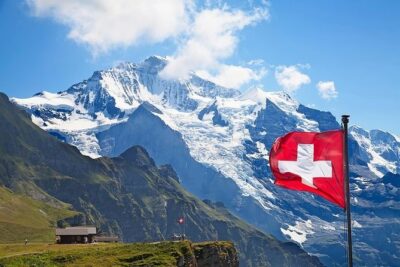
Jungfraujoch Day Trip from Zurich: Swiss Alps & Bernese Oberland
Read our review →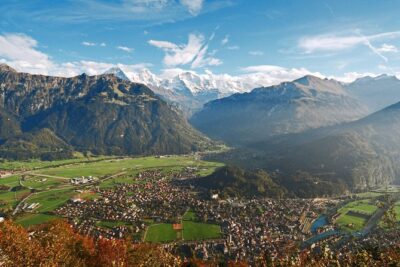
Jungfraujoch Top of Europe Day Trip from Lucerne
Read our review →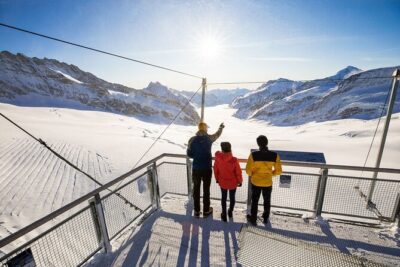
Jungfraujoch Top of Europe Day Trip from Interlaken
Read our review →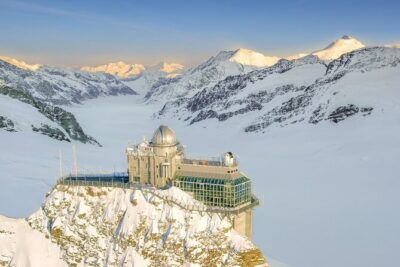
Jungfraujoch Day Trip from Lucerne with Eiger Express Gondola
Read our review →
Eiger and Jungfrau Glacier Panorama Tour from Zurich
Read our review →
Daytrip to Jungfraujoch Top of Europe and Interlaken from Zurich
Read our review →Browse the lists this tour appears in